Winnipeg winters can make even hardy folks dream about warm water and steam drifting into the cold night. A hot tub takes that dream and bolts it into your backyard. It also adds a layer of complexity you shouldn’t underestimate. The difference between a hot tub you love and one that nags you with problems often comes down to how well you plan the install. I’ve set, lifted, leveled, winterized, and rescued more tubs in this city than I care to admit, and I can tell you this: set up right, they’re remarkably fuss-free. Take shortcuts, and you’ll pay for them when it’s minus 30 and the breaker keeps tripping.
This guide blends the practical with the local. It speaks to Winnipeg’s soil, frost depth, municipal quirks, and wind that can turn a backyard soak into a tundra expedition if you don’t lay things out smartly. If you’re scanning “hot tubs for sale” listings or searching “hot tubs store near me,” read this before you swipe your card.
Start with the site, not the model
People pick the tub, then figure out where to cram it. That’s backwards. Your site constraints drive the right shell size, cabinet style, and even pump configuration. Think through how you live, how you move through the yard, and what winter throws at you. I ask clients to stand where the tub might go and walk the route from kitchen to cover, barefoot, at night. Do that once and you’ll avoid putting the tub on the far side of a windswept yard just because it looked nice in summer.
A good site does three things well: it drains water away from your house, it supports a heavy, sloshing load, and it offers you privacy without making maintenance a contortion act. You also want a clean 6 to 8 feet of overhead clearance if you’re using a cover lifter that swings back rather than up. People forget about trees. Aspen buds and cotton fluff can gum up filters in a weekend. If you must tuck the tub under branches, budget for more frequent filter rinses and a leaf net.
Foundation options that won’t heave in February
The top Winnipeg install failures I see come from skimpy bases or bases designed for climates where frost is a rumor. A full tub can weigh 2,500 to 5,000 pounds. That load shifts when people climb in and out. Water sloshes, jets push, and kids treat it like a splash park. You need uniform, uncompromising support.
A 4-inch concrete slab with rebar grid is the gold standard. Float it properly with a compacted crushed stone base, slope it slightly for drainage, and you’ll sleep well on the coldest nights. I favor a 5-inch slab when the yard sees a lot of thaw-freeze cycles or when the tub is over 8 feet long, because the extra mass resists micro-settling. If you plan to place the equipment door on the long side, align the slab so that door faces a clear service path.
There are good alternatives. Structural plastic spa pads interlock and distribute load if they sit on a properly compacted base. They install quickly and keep moisture off the cabinet, but they demand meticulous prep. The soil underneath must be compacted in thin lifts, not dumped and stomped. If your yard has clay pockets, which are common in older Winnipeg neighborhoods, don’t trust a pad unless you’ve replaced the top 8 to 10 inches with compactable aggregate.
Deck installs are the trickiest. Standard deck joist spacing won’t cut it. Even if the pounds per square foot pencil out, live load doesn’t translate to a concentrated tub footprint. I’ve beefed up more decks than I’ve built new pads. If you insist on deck placement, bring a structural plan to your permit office and oversize the beams. Add at least one access panel near the equipment bay. When a power relay fails in January, you’ll thank your summer self for making room to crawl in without removing half the skirting.
Electrical realities, minus the wishful thinking
Most full-featured tubs require a dedicated 240-volt, 40 to 60 amp circuit with a GFCI disconnect located within line-of-sight, typically 5 to 15 feet away. Some plug-and-play models run on 120 volts, but they heat slowly, and the heater often shuts off when jets run at full speed. That works in milder climates. Here, where water can strip heat fast, 120-volt tubs make for tepid soaks after extended jet sessions.
Run the conductors in conduit, not exposed cable. If you’re trenching, place conduit below frost line where practical and avoid low spots that can collect condensation. Use copper conductors sized for the run length to keep voltage drop under 5 percent. I’ve seen long runs with undersized wire that pass inspection, only to cause slow heating and nuisance trips every time the blower kicks in. It’s cheaper to do it right once. If your panel’s already near capacity, a subpanel upgrade is common and worth the appointment fee.
GFCI placement matters in winter. Mount it where you can reach it without a snow shovel and where it won’t get buried by a roof dump. I’ve moved too many disconnects up a fence post after the first good snowfall. Label the breaker clearly. When a guest or sitter needs to shut the tub down in a hurry, you don’t want them guessing.
Water supply, drainage, and where the melt goes
You don’t need a permanent water line. A hose works fine for filling. Draining, though, deserves a plan. A typical 350 to 500 gallon tub should be drained every 3 to 4 months with average use. If your yard slopes toward your house or if you have a patio that holds water, draining can create an unwanted skating rink and sump pump drama.
Install a discreet drain line from the tub pad to a garden bed or gravel pit. If you insist on draining across lawn, do it in the warm hours and move the hose occasionally to spread the flow. Avoid storm sewers unless your municipality allows it and you’ve neutralized sanitizer levels. High chlorine or bromine will scorch plants and annoy your neighbors.
Inside the tub, choose fillers and plumbing with freeze protection in mind. Many Winnipeg Hot Tubs retailers stock models with well-insulated plumbing bays and bottom pans that shed meltwater. Look for a continuous base pan rather than simple cross beams. When wind whips under a tub, the cabinet can lose heat quickly unless the base is closed and the skirt is sealed.
Access, placement, and the art of winter optimism
For delivery, measure everything twice, then once again on a cold day with mitts on. Tubs are bulky. A standard seven-footer needs a clear path at least 40 inches wide when moved on its side, often more, and a height clearance of 90 inches if there are arches, eaves, or deck rails in the way. Consider a crane for tight yards, and schedule it early because crane operators book fast in building season. It sounds pricey, yet it’s cheaper than pulling down a section of fence and still scraping your tub on a brick corner.
Think about how snowfall will reshape your yard. That lovely gap between the tub and the fence vanishes under drifts. Give yourself a minimum of 24 inches on the equipment side for service, more if the manufacturer’s access panel swings out. If your cover lifter swings back, keep a 12 to 18 inch clearance behind the tub to avoid chewing the cover on the fence. If you’re building privacy screens, put them on piers or screw piles and leave gaps near grade so snow doesn’t create a frozen wall.
Insulation, covers, and the energy math that actually matters
You’ll see all sorts of R-value claims. Some are honest, some are wishful. The biggest energy wins in our climate come from a tight cover, a well-sealed cabinet, and minimal air infiltration, not just foam thickness. A quality cover should have full-length heat seals along the hinge, tapered foam to shed water, and dense cores with a vapor barrier that resists saturation. Cheap covers get waterlogged in a year or two, then sit like wet mattresses and leak heat.
In practice, a well-insulated premium tub in Winnipeg, kept at 38 to 40 C, costs roughly the price of a couple of takeout meals per week in electricity, depending on rates, wind exposure, and use. A budget tub with thin cabinet insulation can double that. If your tub sits in a corner that funnels wind, invest in wind baffles or a privacy wall to cut convective losses. I’ve installed simple cedar slat screens that paid for themselves in one winter from reduced run time.
Don’t overlook the floor. Heat rises, true, but winds will steal energy from the bottom edge if it’s not sealed. A sealed base pan and continuous foam around the perimeter matter more here than the marketing name of the insulation system.
Chemical setup tailored to cold weather use
Fresh water start-up is where people rush. Let the tub teach you patience. Fill through the filter housing to help purge air from the pumps. As it heats, test once the water hits 30 C, because numbers drift with temperature. Aim for pH between 7.4 and 7.6, alkalinity in the 80 to 120 ppm range, and sanitizer in the lower end of the recommended range until you’re soaking. In winter, bather load tends to be shorter but more frequent, so steady-state sanitation matters more than shock cycles.
You can run chlorine or bromine. Bromine handles warm water well and is gentler on some noses, but it’s a touch pricier and needs a good first boost. Chlorine is familiar and cheap, and with a good cover you can keep its smell down. Mineral cartridges and salt systems can help if you’re disciplined. They aren’t set-and-forget. People who succeed with them check levels as often as anyone else.
Filter maintenance is the quiet hero. Rinse filters every 2 to 3 weeks and deep clean them every second month. Keep a spare set inside so you’re not rinsing on a windy, frosty night. Swap, soak the dirty ones in warm water with filter cleaner, then dry fully before the next rotation. A dry filter traps fines better than one that’s still damp.
Winterization and freeze protection, the Winnipeg version
You can run a tub year-round without headaches. The key is never letting it drift without power or flow in subzero weather. If a breaker trips at 2 a.m. in January, you have hours, not days, before plumbing in the outer cabinet starts to freeze. Some tubs have freeze protection that cycles pumps based on temperature. That’s great, but it doesn’t help if a GFCI trips. Install a simple outdoor temperature sensor and a smart alert on the circuit if you want peace of mind while away.
If you plan to shut down for winter, winterize completely. Draining alone invites trouble. You need to purge lines with a blower, crack unions to let trapped water escape, and use RV antifreeze in low points. I advise most clients to keep it running instead. The operating cost is outweighed by the risk and time of a full winterization, and nothing beats stepping into hot water while the world is frosted.
Delivery day checklist that keeps surprises at bay
Here’s the short list I hand to clients the week before the truck shows up.
- Verify electrical: breaker installed, GFCI mounted, voltage and amperage match the tub spec, conduit terminated near the equipment bay with enough slack for hookup. Confirm base: slab or pad fully cured and level within 1/8 inch across the footprint, clear of debris, with confirmed drainage away from structures. Clear path: gates removed if necessary, corners padded, snow and ice cleared, plywood sheets ready if crossing soft ground. Cover hardware: lifter on-site with proper brackets, mounting positions marked to avoid hitting cabinet framing. Water and test: hoses ready with pre-filter if your water is hard, test kit or strips on hand, initial chemicals measured and staged.
That’s one of two lists you’ll find here, and only because it prevents frantic calls at noon on install day.
The right size and seating for real people, not brochure models
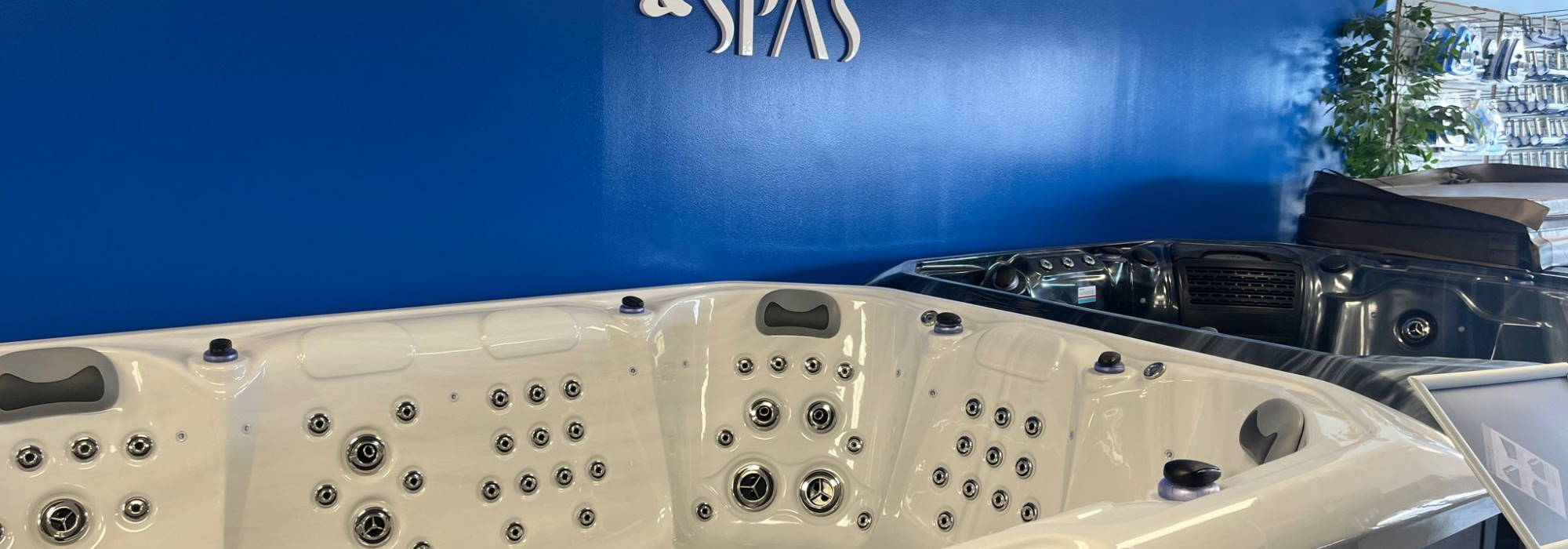
The number on the brochure is fantasy. A tub labeled for seven will fit five adults comfortably and four if two of them are tall. Wet test if possible. Shops with good reputations, including several long-standing Winnipeg Hot Tubs retailers, are happy to fill a floor model so you can check seat depth, jet placement, and footwell space. If you never sit bolt upright at home, you won’t do it in water either. Look for a lounge that actually holds you in place. A lounge that floats your hips every time a jet kicks on will make you resent that chunk of the shell.
Consider the people who will use it most. If you have hockey players at home, deep corner therapy seats matter. If you have grandparents visiting, easy entry steps with a handrail are worth more than a 24-jet volcano feature. And if you’re torn between a waterfall and better insulation, pick the insulation. Waterfalls charm for the first week. Low electric bills charm every month.
Noise, neighbors, and the grace of quiet plumbing
Even the most powerful tubs can be quiet if designed well. Look for models with insulated equipment bays and vibration isolation for pumps. Put the equipment side away from a bedroom window, yours or your neighbor’s. Winnipeg’s dense older neighborhoods, with houses shoulder to shoulder, amplify pump hum on still nights. A simple rubber pad under the equipment area can cut resonance. Check local noise bylaws if you plan to run the blower late.
Permitting and setbacks without the guesswork
In most cases, you won’t need a full building permit for a portable hot tub placed on grade. Hard mounts, gas heaters, and structural deck installs change that equation. Electrical work always requires a permit and inspection. Keep at least 1.5 meters from lot lines if your municipality enforces pool-equivalent setbacks for spas, and respect clearance rules from overhead lines. These sound like trifles until an inspector shows up on a power upgrade and notices a noncompliant setup. Talk to your retailer or installer early. The reputable shops that pop up high when you search “hot tubs store near me” usually know the local rules better than the call center at a national brand.
Cover lifters, steps, and the ergonomics you’ll thank yourself for
A good cover lifter makes a heavy cover feel like a paperback. It also keeps the cover from scraping the deck and picking up grit that will sand your shell over time. Side-mount lifters need clearance beside the tub, top-mounts need space behind. If you’re tight on room, pick a low-profile back-swing model and angle the tub to make space near a corner. Secure the lifter brackets into frame members, not just the cabinet skirt. Manufacturers publish bracket maps. If yours doesn’t, peek inside the access bay to find the frame rails.
Steps shouldn’t wobble. The rubber feet on budget steps turn slick when icy. I swap them for wide rubber pads or mount the steps to a small platform with hidden deck screws. Add a handrail. People roll their eyes until the first snowfall, then they grip it like a lifeline.
Start-up routine that keeps the first week smooth
Your first week sets the tone. Here’s the second and last list in this article, short and practical.
- Fill through the filter cradle to reduce air locks, then power on once water is above the jets and 10 centimeters below the rim. Set temperature to 38 C, test alkalinity and pH when water reaches 30 C, adjust alkalinity before pH so changes stick. Add sanitizer to target, run pumps with air off for at least 20 minutes to mix, then close the cover to hold heat. Rinse filters after the first few soaks, especially if you used a line flush, since it releases biofilm that can cloud new water. Track your adjustments. A simple notebook beats memory when you’re fine-tuning a new water source.
Real-world costs, without the drama
Expect the tub itself to range widely, from modest plug-in models under the price of a used car to premium insulated units that rival a kitchen renovation. Budget realistically for electrical work, which can run a few hundred for a short run to a panel with space, up to a couple thousand for long runs, trenching, or panel upgrades. Concrete pads cost more than gravel and spa pads upfront, yet they pay you back in stability and fewer service calls.
Operating costs hinge on usage and exposure. A family of four who soak three nights a week will change water more often and replace filters sooner. Covers last 3 to 5 years if cared for, a little less if they face south and bake all summer. Good retailers will quote not only the purchase price but a candid owner’s timeline for routine replacements. Ask for it.
Finding the right retailer, and why that matters in February
The store that sells you the tub is the store you’ll call when something goes sideways during a cold snap. That’s when you learn who keeps parts in stock, who returns calls on weekends, and who has a van that still starts at minus 25. Search Winnipeg Hot Tubs with your neighborhood tagged and look for shops with in-house service techs, not just sales teams. Ask blunt questions. Do they stock pumps and control boards for the brands they sell? Do they have emergency slots in winter? How many years has their service manager been there?
Online deals tempt, and some are fine. The gamble is support. Manufacturers with a solid local presence typically sort warranty work faster, and that speed matters at subzero temperatures. Local dealers also know which models fare best against our wind and cold. I’ve watched certain value lines thrive in milder provinces and struggle here because their cabinets Swim and Spas leak air or their freeze logic assumes temperatures we regularly beat by twenty degrees.
Common mistakes I still see, and the easy fixes
People overcrowd the equipment side with planters or benches. It looks tidy until you need to pull a pump. Keep that side clean. Owners also let water chemistry swing wildly in the first month while they learn. You can dampen the learning curve by testing daily for the first week, then twice weekly. Another misstep is running the air injectors all the time. Air cools water fast, so use it as a treat, not a default. Finally, folks forget to secure the cover straps. A prairie gust can flip an unlatched cover into the yard, or worse, into the neighbor’s.
When to call a pro, and what you can handle yourself
You can handle chemistry, routine filter care, cover replacement, and even basic troubleshooting like resetting a tripped GFCI. Call a pro if you see persistent error codes, smell hot electronics, or suspect a leak inside the cabinet. Water plus Winnipeg winter makes small leaks into ice sculptures that stress plumbing. Early fixes are cheap. Late ones involve heat guns, tarps, and vocabulary your kids shouldn’t learn.
If you need help beyond this article, a quick search for hot tubs for sale will turn up local dealers who can walk you through models that match your yard and habits. Use “hot tubs store near me” to find who’s actually nearby for service. Then go visit in person, sit in dry shells, and ask the questions that matter when the wind bites. A good retailer answers with examples, not slogans.
The payoff
A properly installed hot tub becomes part of your routine, not a chore you negotiate with. You’ll slip out after dinner, lift the cover like it weighs nothing, and sink into water that doesn’t argue with the weather. Steam will rise into the dark, the heater will hum quietly, and you’ll forget the steps it took to get here. That ease is built at installation. Choose a solid base, plan your electrical with margin, protect against the wind, and keep service access in mind. Do those things, and Winnipeg’s cold stops being a barrier. It becomes the reason the soak feels so good.